Lately I’ve felt drawn to computing devices that aren’t general purpose computers.
My laptop has started to feel like too deep of a rabbit hole, and at the same time, somehow too shallow of an instrument, like some cheap guitar with a million strings, but the tone and timbre is never quite right.
I love the idea of computers dedicated to a single purpose.
The task of developing layers of hardware, firmware, and software in parallel feels like an effort that’s often relegated to a larger group of people, but seems increasingly possible for niche communities or even just a couple of individuals to pull off.
The myth of hardware obsolescence
I feel like I’m a bit bought in to the myth that computing devices will inevitably become obsolete in a matter of years.
But the more I think about it, the more I feel that it doesn’t have to be true.
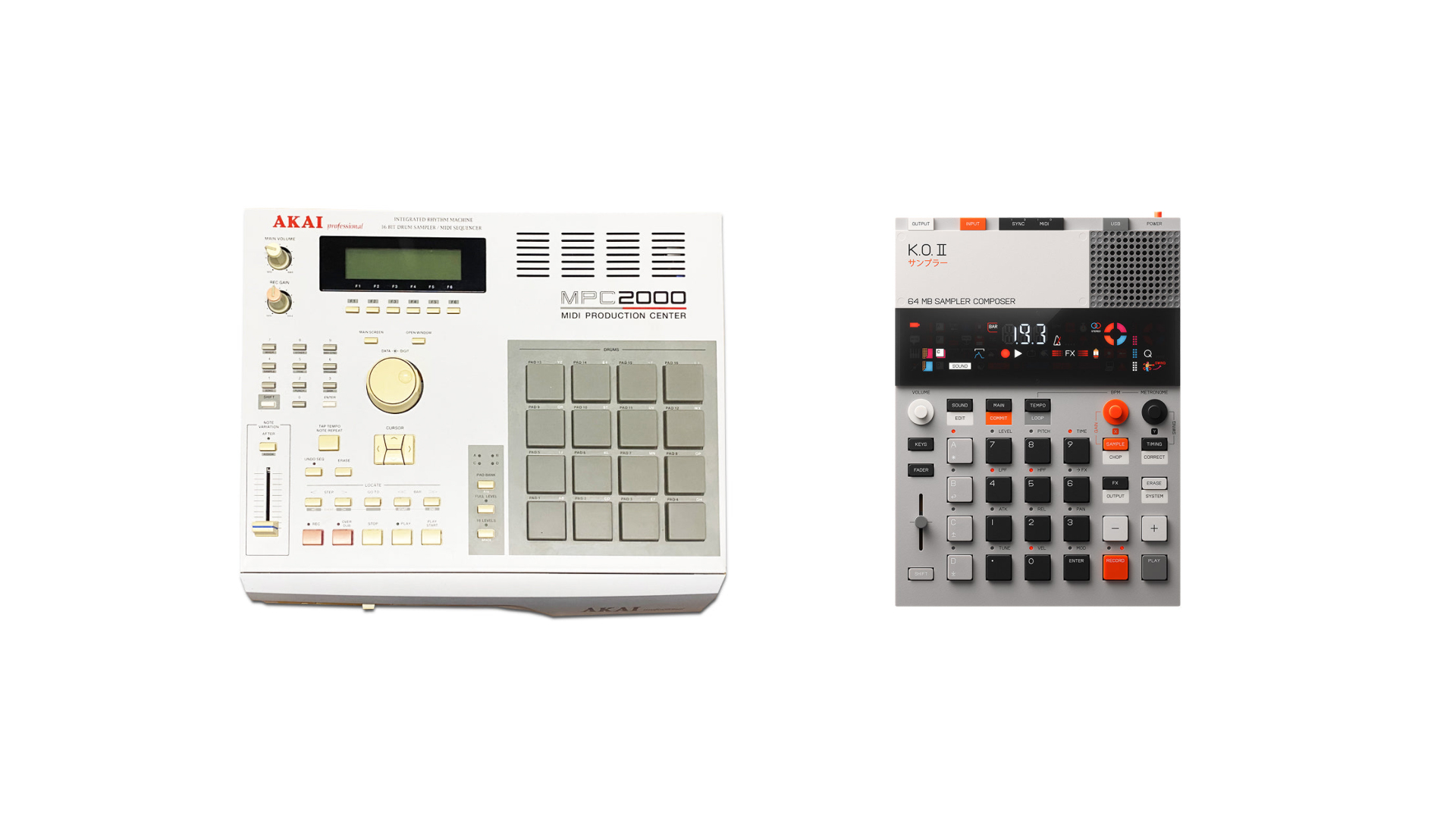
In the world of music-making, decades-old digital music workstations like the Akai MPC are still incredibly common and even coveted. Companies like teenage engineering seem to be tapping into this. The old devices still work, and the experience of using the newest devices isn’t all that different.
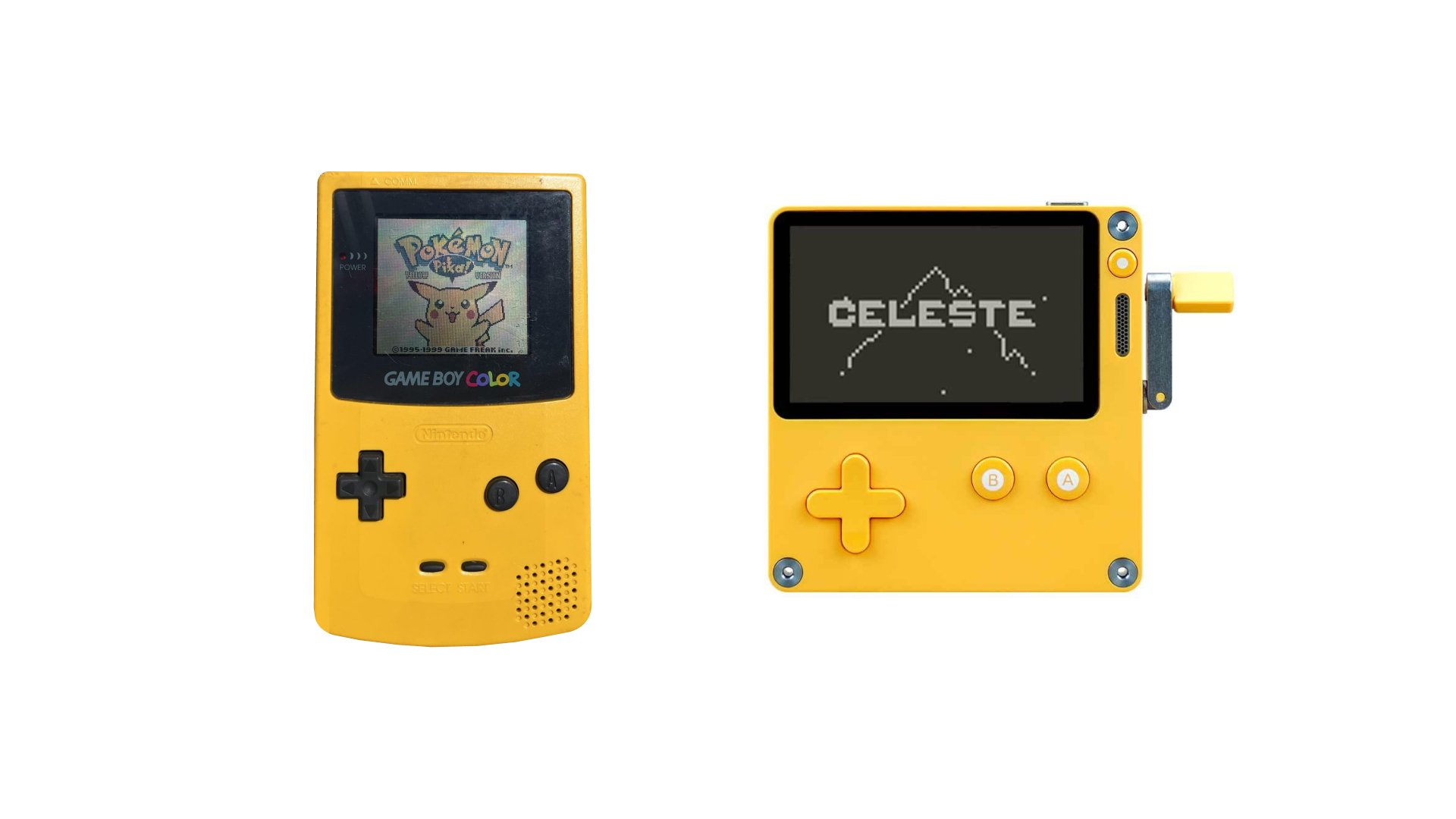
Video game consoles from the 1990s still run well once you’ve switched out a clock battery or two. Video games are fundamentally the same thing as they were almost thirty years ago. Unless you’re graphics-obsessed, old titles hold their own in terms of story and mechanics.
It seems kind of crazy to talk about video game consoles with a limited set of cartridge games as being distraction-free, but here we are I guess.
For me, the existence of devices like the PlayDate and the slew of excellent indie-developed games with retro graphics like Celeste and Undertale seem to indicate that maybe we care more about good narrative than gigaflop graphics.
It feels like having a relatively singular and computationally humble focus for a computing device can lead to much long lifespans, and in the long term, less waste.
Mix in some modular, repair-friendly design (or some repair-obsessed communities) and we can make things last even longer.
The curse of limitlessness
Having a device that only does one thing can certainly feel limiting, but I feel a deep curse in limitlessness as well.
As limitless as streaming services might seem, sometimes I feel like they limit my ability to build a deep, emotional connection to whatever I’m listening to. There’s always something new and potentially “better”, my favourite playlist constantly swaps in new songs, and it’s all powered by an algorithm that claims to know my music tastes more intimately than my closest friends (but also loves to shove random podcasts in my face). I also tend to listen off my phone, so there are further limitless realms of content just a home screen away.
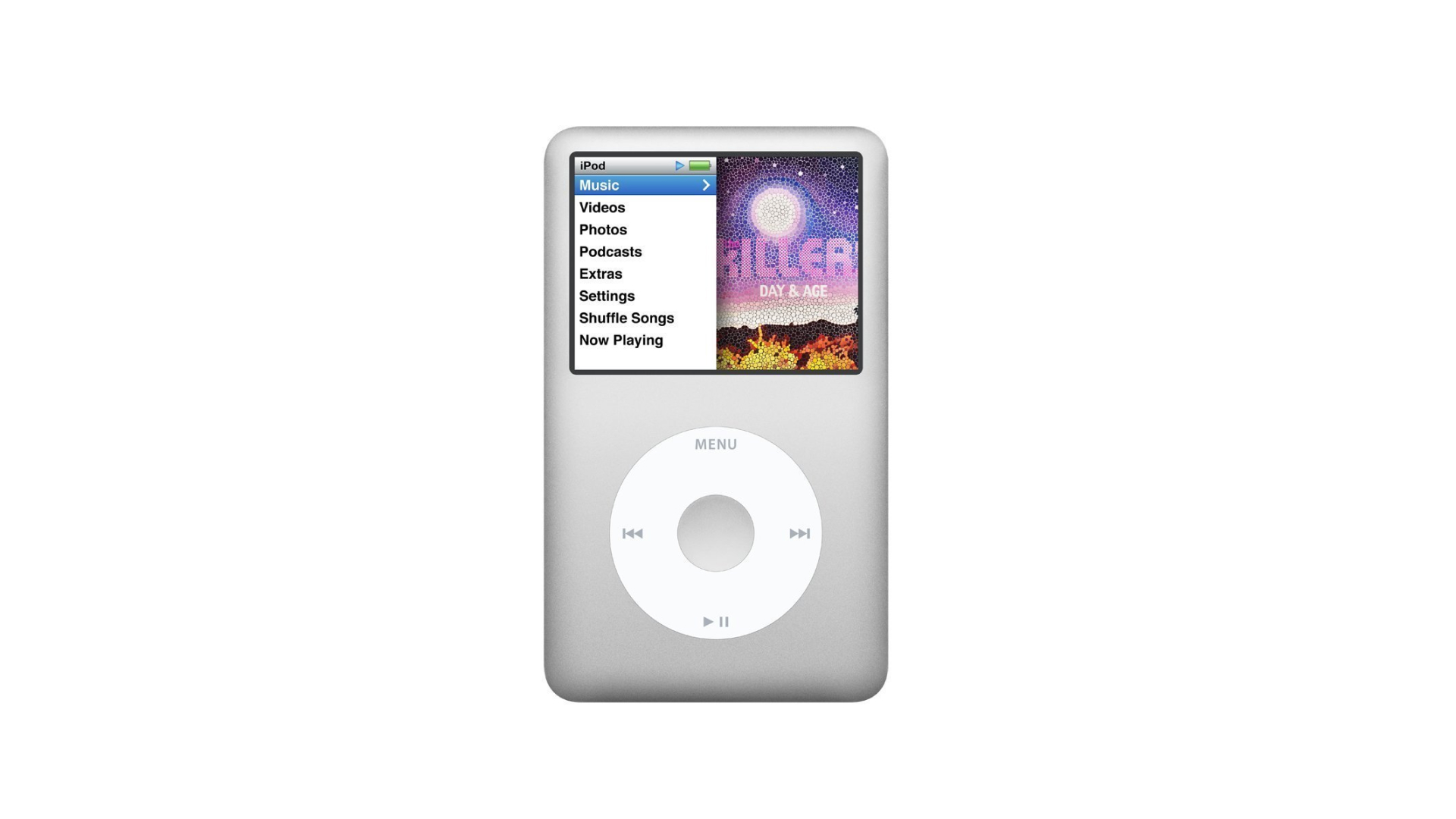
The thin barrier of having to load specific music onto a dedicated device, the added tactility of actual buttons and click-wheels, and the blissfully limited but functional interface of most old school MP3 players feels like a step towards a more personal connection with music. When I have a limited set of albums and artists to listen to, suddenly I start caring a more about each project, and listening a little more closely. There are folks out there resurrecting old iPods and I’m all for it.
Writing seems like another great example of the value of limits at the hardware level. There are tons of distraction-free writing apps out there… but even as I’m writing this (on a laptop, in such an app), I still find I have to actively resist spinning out into “research”, which inevitably spirals into aimless web browsing.
Wouldn’t it be nice to have a device on which you could only write? Great news, there’s an entire community out there, they care about this a lot, and they’re building a lot of it open-source. The Micro Journal shown below is one example.
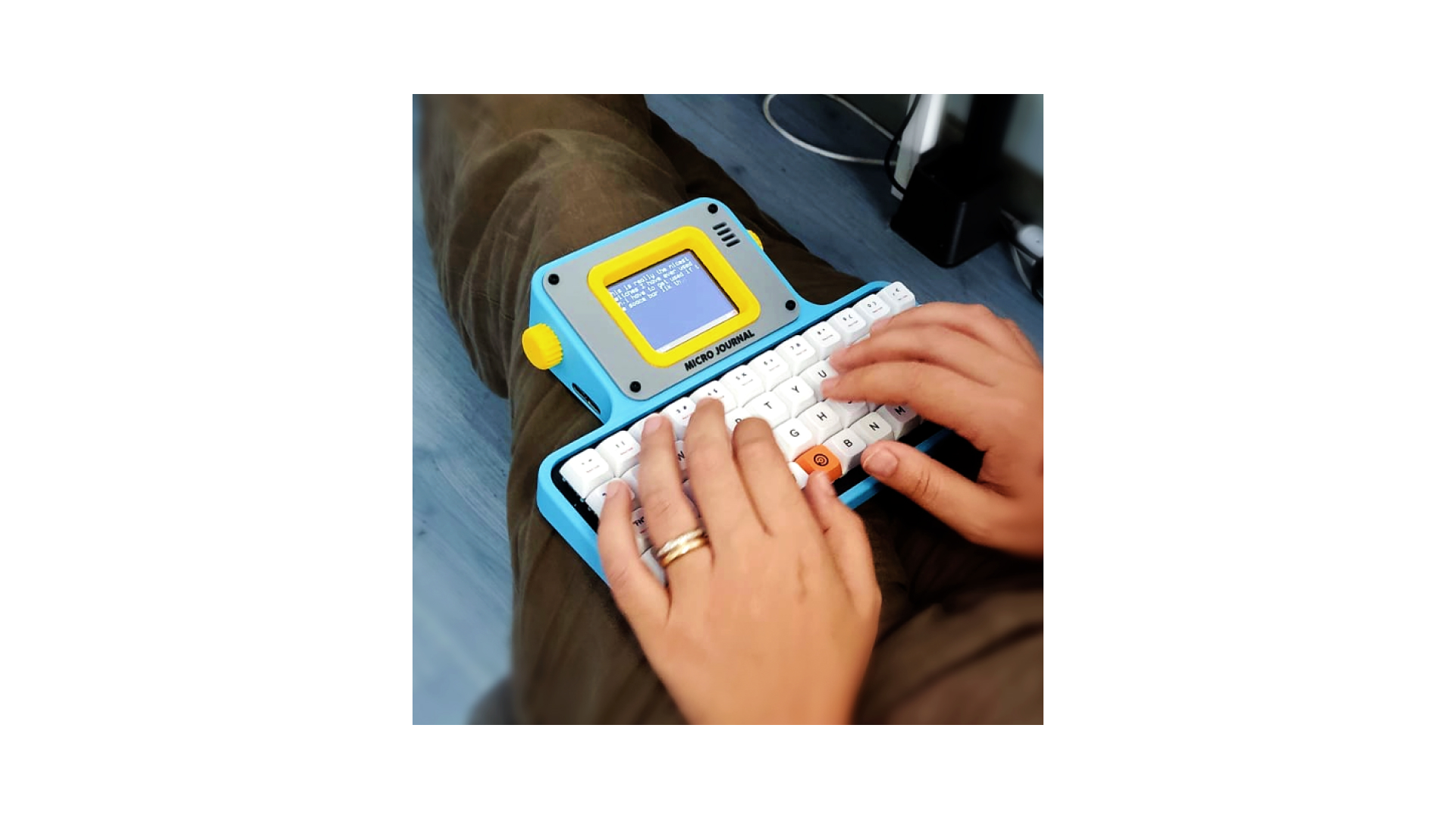
Even on a basic device, I love that we can still tap into the magic of digital mediums. It quite literally takes decades of typing to fill the couple of gigabytes on a typical SD card. There are no ink ribbons to change, and many of these devices sync your files to the cloud automatically. This isn’t a rejection of technological progress, it’s active participation.
Dedicated computing devices aren’t meant to impose arbitrary limits, they’re meant to give us control over exactly what we want to limit. Limiting yourself to doing only the thing you actually care about doing seems like a great way of getting more of that thing done.
Do one thing really well
Dedicated devices often seem to be very performant at the one thing they’re trying to accomplish.
I’ve had issues with streaming services. Sometimes they pause, randomly drop quality, or stop completely, bringing me back to the days of having a portable CD player propped up on the dash of a car, trying to avoid skips. I thought I’d never to have to deal with those kinds of listening issues again, but apparently not.
I’ve been trying to type on my computer and have had things freeze and lag, probably because of some background app that I’m not managing properly.
I’ve also tried to run my guitar through my computer to get limitless pedal effects, but couldn’t handle the subtle latency. And that got me thinking…
It seems like we value the performance, longevity, limited interfaces, and beautiful fuzzy character of the analog and dedicated-circuit-board world of audio synthesis and processing. Maybe we figured out what was possible because we had a chance to explore that space before computers took hold.
It seems hard to find a guitarist who prefers an iPad with limitless effect possibilities to their messy and arguably much more limited pedal board. I think it’s hard to give up the subtle advantages of a limited but performant device once you’ve experienced them.
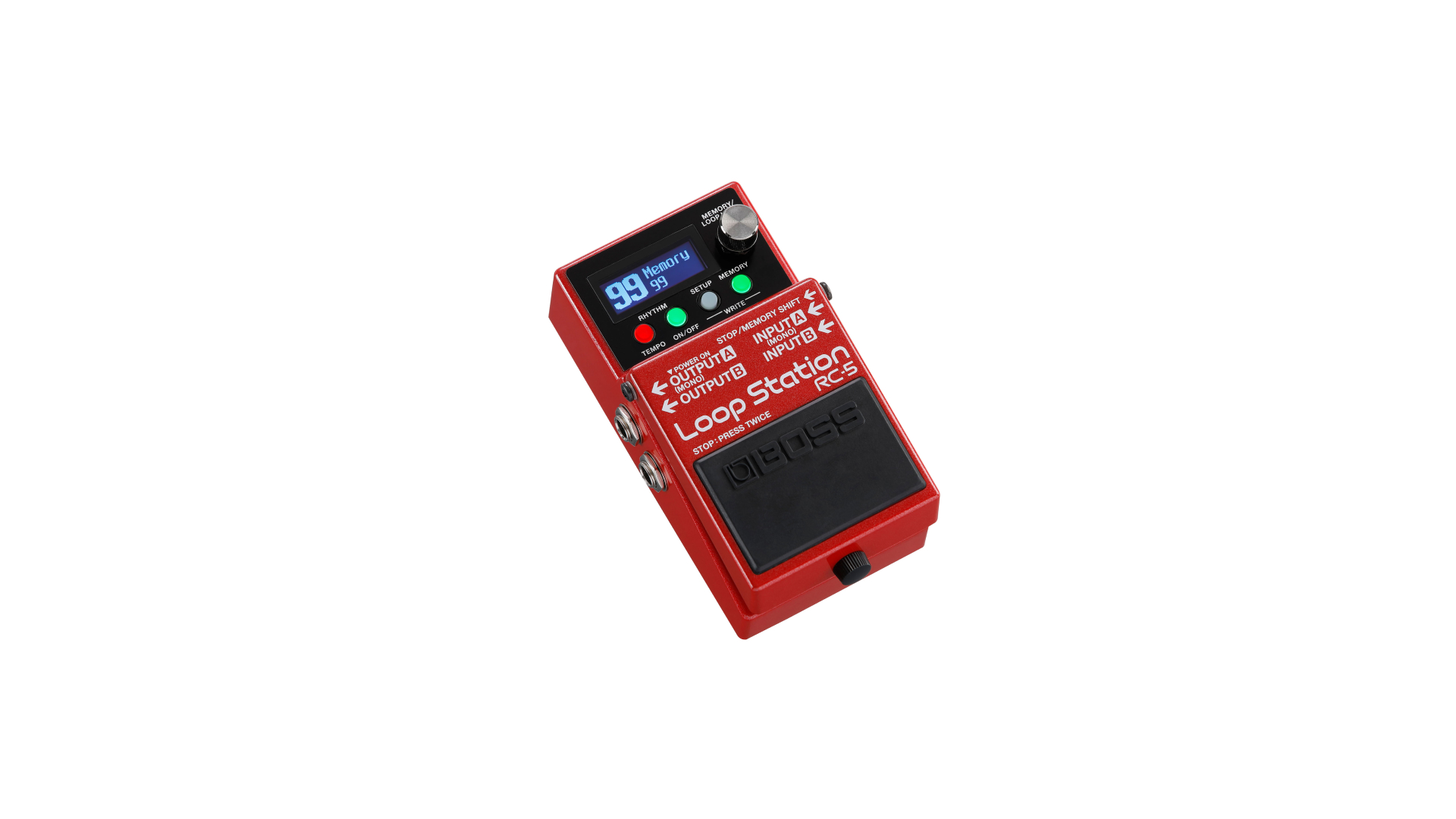
Unfortunately, I think it’s also hard to keep looking when you’re using a device that’s been marketed not just as adequate, but as an incredibly powerful machine and limitlessly programmable machine that can unlock every facet of your creativity.
It’s tempting to assume that our general-purpose computing devices are good enough. But dedicated devices can be engineered at the circuit and component level to do the thing they’re trying to do really quickly and really consistently. It feels like there’s a lot of great space we simply haven’t searched. What would it mean for task-specific computing devices to be more tactile? What would it feel like to use a dedicated hardware interface for the narrowly scoped tasks in that one creative project you care most about right now?
Finding simpler, faster, single-purpose devices for even more fields of work feels like it could change the human experience of computing for the better.
Care about one thing at a time
I think it feels good to care about something.
And I think it’s easiest to care about one thing at a time.
I often feel that a lot of the pull of a new multi-purpose computing devices, like a fancy tablet or laptop or shiny new display, is the idea that I’ll be able to do so many different things with them. I can finally fulfill all my creative dreams, and I’ll get great work done because the new technology is so magically good at everything! This is exactly the messaging that I feel like I’m being sold.
In my experience, this has never been how things actually pan out. Usually I slowly become upset with myself for not being able to focus on one thing. I find when I’m working with a very flexible computing device, I have to be really diligent about how to stop myself from spiralling into unhealthy patterns.
And I feel like I’m constantly being asked to discard and move on from whatever I’m currently enjoying, because something more versatile is on the horizon. It’s hard to care about anything very deeply in this environment.
I feel like other people are feeling this too.
The best dedicated devices might offer us an alternative. They might be something that lasts, something we can cherish and repair. It might take a bit more work on our part not only to imagine and build these devices, but also to put in the energy and effort to engage with them (like we might practice a musical instrument), but I think it could be worth it.
I’m hopeful we can find a future where our computing devices feel a little more personal and special.